Extremely Niche: The Dark Side of Free Media
YouTuber What Michaela Reads shed some light on an issue I've thought a lot about.


In a recent video, What Michaela Reads — a YouTube channel with over 16,000 subscribers — talked at length about some of the issues surrounding advance reader copies (ARCs) of books. While some of the issues Michaela brings up are specific to social media’s reading and book-collecting communities, others are more universal.
Those more universal truths tie into some things that I have thought about a lot over the years.
You’ll do better if you watch the video first. I try to touch on the key points throughout, but here’s Michaela if you want to hear it for yourself:
Something to start with: the issue of ARCs as “status symbols” might be exaggerated in the book community, but influencers, journalists, and critics flexing their freebies is a time-honored tradition in and around the entertainment press.
My take has always been that it’s nice to get swag, but it exists primarily as a way publishers, studios, or whoever try to urge reporters to give them coverage. As Folding Ideas’ Dan Olson recently discussed in his video essay Why Was I Invited to Beast Studios?, even a bad review or unfavorable coverage provides at least some value to somebody who has a product to promote.
I value my relationships with publicists, creators, and others who provide me with advance readers, advance screeners, press kits, and all the rest. Does that mean I am an unreliable narrator? Well, I certainly try not to be. Certainly, I don’t ascribe much in the way of real status to receiving DVDs and t-shirts (always the wrong size) in the mail.
My review behavior tends to be shaped somewhat by my response to a work. If I don’t like it, but I don’t feel like I have much of an interesting reaction, I’m a lot less likely to review an indie film/comic/publisher, than if I have a similar reaction to something from a bigger company.
The reasons for that are twofold: first, indie creators take these things a lot more personally and, in general, would rather get no write-up than a negative one. So if my material isn’t going to be especially interesting on its own, why pick that fight?
Second, indie comics/film/whatever simply do not drive much in the way of traffic to news and review websites. That means my negative write-up, unless it’s wildly, hilariously negative, is unlikely to attract enough attention to justify its own existence to my own employer.
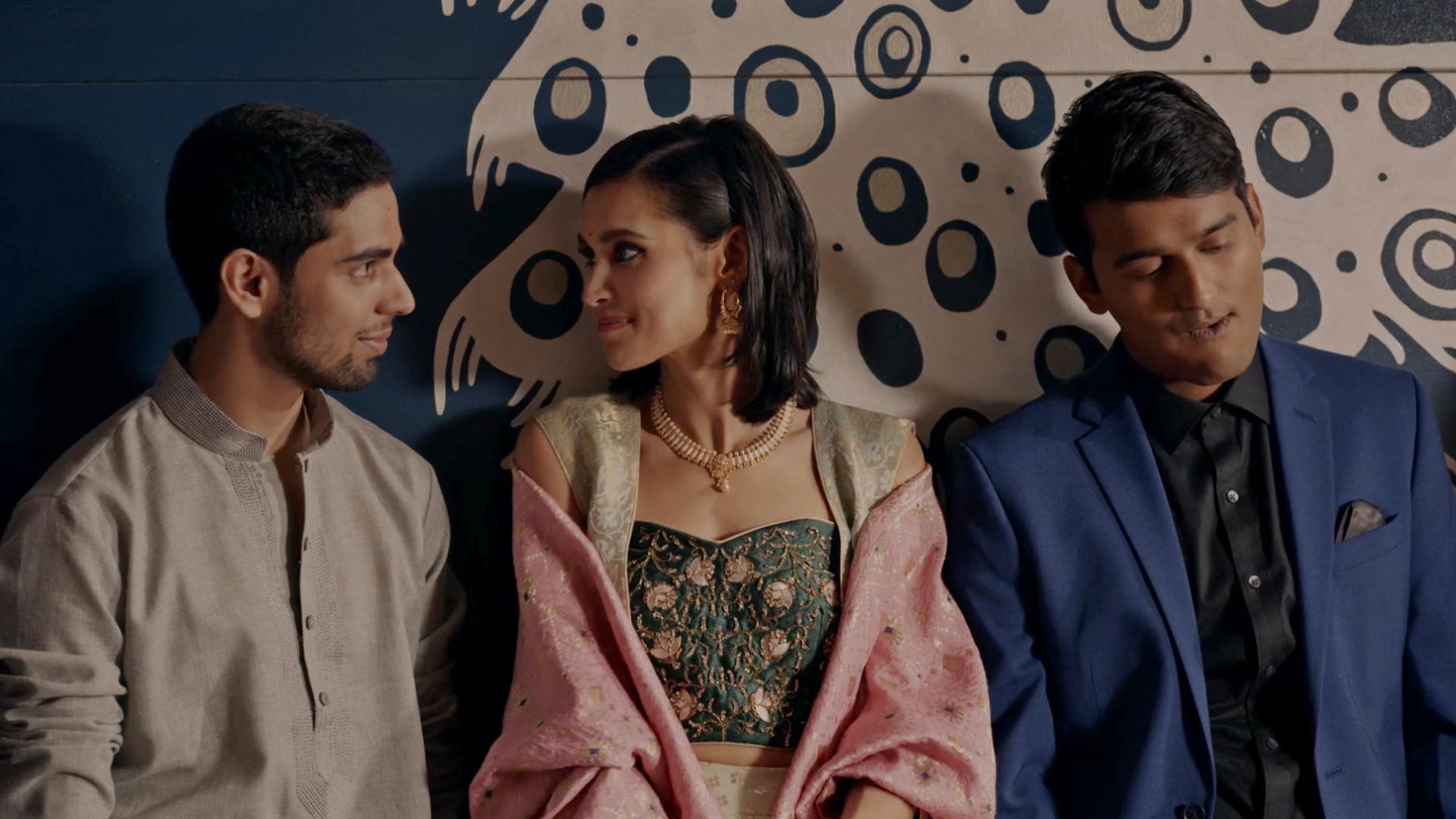
Yes, I’ll sometimes do favors for people. An example I can think of is the film India Sweets and Spices. The film came out in 2021, and I reviewed it for ComicBook. Obviously, a romantic comedy with an Indian spin is outside of ComicBook’s normal niche, but my own tastes are much broader than the site’s.
A publicist I like very much reached out to me and said, essentially, that they had received mostly positive reviews, but didn’t have enough to be fully “counted” on Rotten Tomatoes. They needed a final review — good, bad, indifferent, they didn’t care — in order for the movie to get a score. I agreed to watch it, and review it, during its opening weekend. I received nothing in exchange except temporary access to a screener file. But I adored the movie, so I wrote a very good review. Its current critics score is 83%, so I wasn’t outside of the mainstream. I bought the movie at full retail on release, and have it in my digital collection now.
A couple of years later, I found out people were being bribed to write positive reviews in order to get indie films on Rotten Tomatoes. I double-checked, and my friend the publicist was not one of the people implicated in that scandal. Did I do him a favor? Sure. But outside of getting a score — any score! — I promised him nothing at all. I don’t feel guilty about it at all.
In general, I do not feel obliged to disclose when I get access to a screener, ARC, or review copy. This is because the primary financial value of those items is the compensation I get from my employer for doing my job. If I get a fancy special edition, a pricey piece of hardware, or swag, I will disclose that. Just access to the actual creative work I’m discussing? Not so much.
When companies (other than my own) send me to an event, I disclose it. This doesn’t happen anymore, but when I was at ComicBook, I used to be flown out to Vancouver, Atlanta, Toronto, or other filming locations. There, I would get to see a movie or TV series in production, speak in person with the cast, take photos, and the like. Since the studio (almost always Warner Bros.) would pay for my flight and hotel, and the productions would provide me with food on set, I always made sure to mention in the resulting coverage something to the effect of “Warner Bros. flew ComicBook out to Vancouver to visit with the cast of The Flash,” or whatever.
On the other hand, when I would go to a red carpet — like, say, the Batman v Superman premiere or the CW Upfronts, I usually didn’t make it a point to say “I was invited to…” because in those cases, I paid for my own transportation (or my camera guy did), and either was or was not compensated by my own employer in keeping with their corporate policies. Again, like the ARCs/screeners…if all I get is “access,” that isn’t a gift in my view. It’s the bare minimum I need to do that job I’m asked to do.
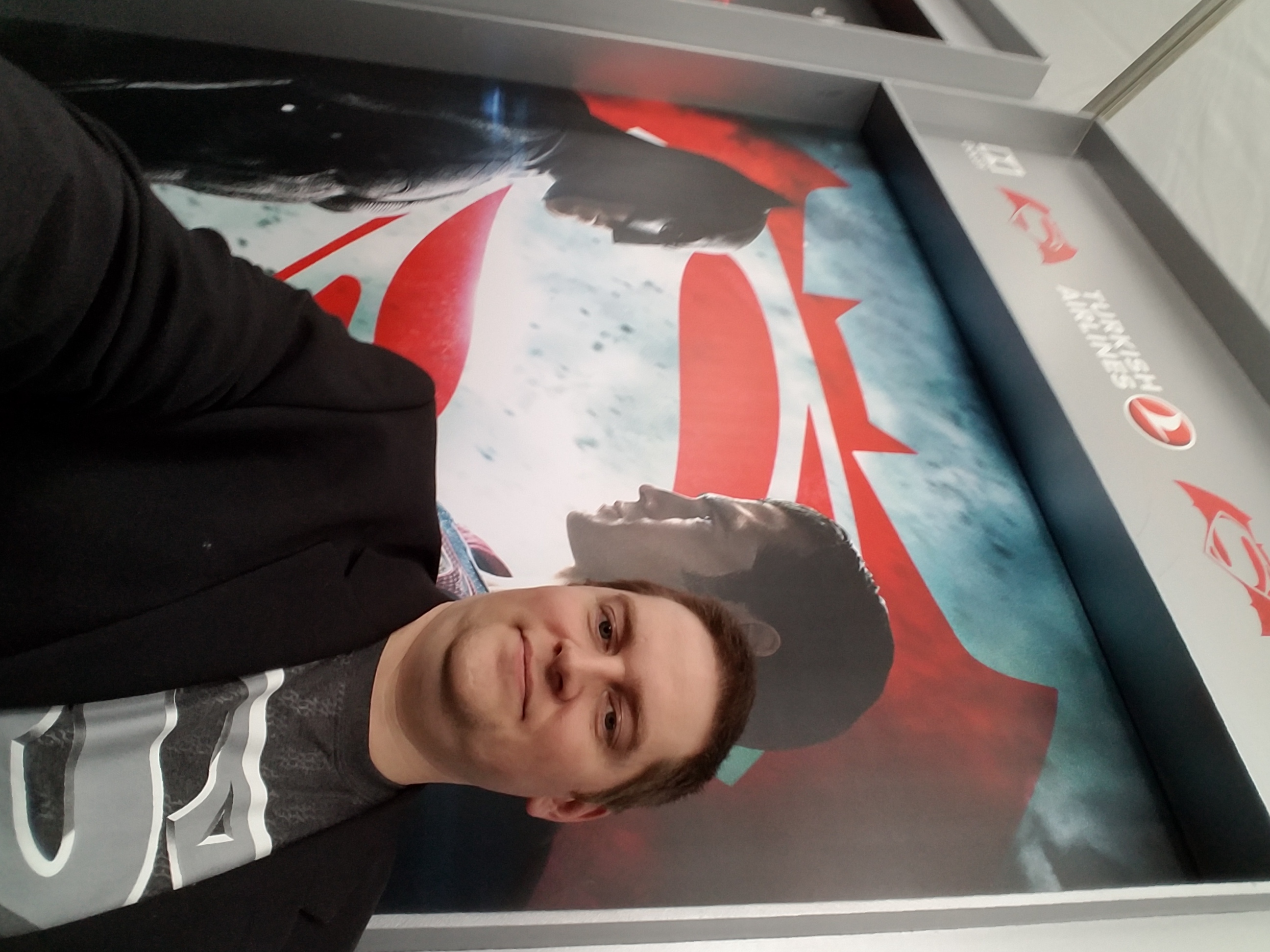
Yes, some people get very weird about this stuff. In Michaela’s video, she addresses some snarky comments made by a “big” bookish account — one about the same size as hers. In it, the influencer complained about not getting access to an in-demand advance reader copy. And…yeah. That happens.
I got snippy with my employers in 2016 or 2017 about something like this. ComicBook started to more clearly delineate “beats,” and asked me if I was going to keep doing movies or TV. I said that I was going to move to TV, but requested that I be allowed to do press for Justice League, since I had done the premieres and other events for Man of Steel and Batman v Superman: Dawn of Justice. I thought Justice League would be a perfect epilogue to my film coverage. My employer promised me that would be done, but one day I got a text message from a coworker who said, essentially, “Hey, I’m on the Justice League set right now and was told to ask if you have any good questions.”
Absolutely no shade to that coworker. I was pissed at our bosses, though — both for reneging on their promise, and for the lack of communication.
On the other hand, some reporters — including people I very much like and respect — get angry or otherwise emotional about missed opportunities, and that can be frustrating and awkward. When I went on a particularly cool set visit, a friend of mine got very angry that he had not been invited. The result was that every time the show came up for months afterwards, it was awkward.
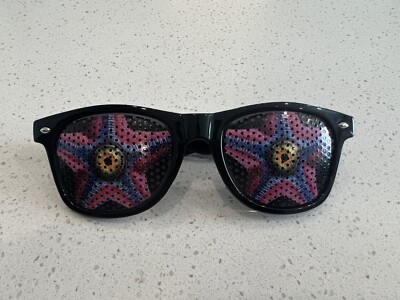
I have tried very hard never to get like that, and certainly I don’t get that way about physical swag. Sometimes, I’ll be disappointed that I missed an opportunity or a press kit, and sometimes I will be so bummed out that I go looking for it on eBay (hello, my dear Starro the Conqueror sunglasses from The Suicide Squad…!).
But whenever I feel myself feeling jealous or upset that I didn’t “get” something — an item or an opportunity — I feel gross about that. It feels “wrong” to me to feel like I’m entitled to something more than what every other reporter is already getting.