It's still there. Exxon's Alaskan Legacy
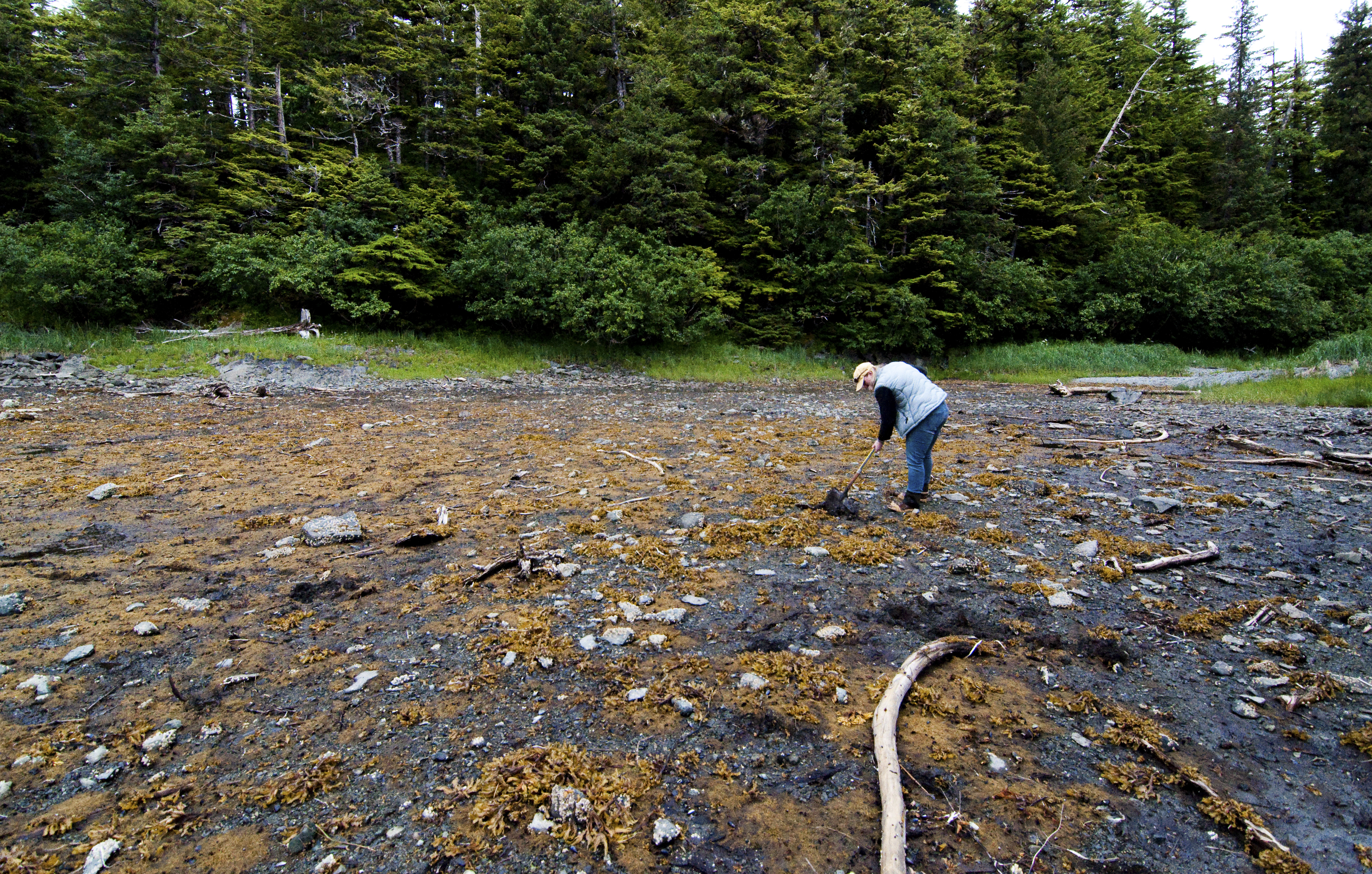
In 2010 I went to "Diesel Beach" in Prince William Sound

“The stress from Exxon which brought about my financial stress was too much to deal with alone. The end should be good and maybe my spirit will live. I have a lot of fear right now, but faith is all that is left. I wish I could have done more good for others but I guess my time is up.” -The Suicide Note of the Mayor of Cordova, Bob Van Brocklin
37 years ago this week oil was draining quickly from an oil tanker into the freezing waters of Prince William Sound.
Years before, Exxon had made a deal with Native Alaskans to have cleanup crews ready at all times for such a man-made disaster. They were totally and completely unprepared. The cleanup boats were frozen (literally) in dry dock hundreds of miles away. As investigative journalist Greg Palast reported decades ago - it wasn’t the drunk captain’s fault - it was the oil industries failure from top to bottom. From turning off the radar to the dry docked boats - every drop of oil on those beaches and birds is from their hands.
Exxon made a big show of promising to making it up to Alaskans for the spill. Exxon’s CEO Don Cornett made the promise to angry fisherman who were losing tens of millions of dollars every week the still went on, saying “You have Exxon, and we do business straight. We will consider whatever it takes to keep you whole. You have my word on that - Don Cornett.”
Exxon did not make them whole. The fishing industry was ravaged, people in the lower 48 refused to buy Alaskan fish, even if it wasn’t from Prince William Sound.
Two years after the spill the mayor of an Alaskan fishing village, Cordova took his own life, laying the blame on Exxons feet. Bob Van Brocklin shot himself saying, “The stress from Exxon which brought about my financial stress was too much to deal with alone. The end should be good and maybe my spirit will live.” Reports of domestic violence and depression skyrocketed in the villages near Prince William Sound.
Exxon fought tooth and nail against the Chugach Natives and dragged out the litigation for decades eventually going to the Supreme Court which cut the original settlement down to scraps.
The people working for Exxon doing the cleanup with slandered with pejorative “spillionaires.” Stories of people making huge amounts of money were spread to the lower 48. All the while Exxon sprayed corexit, a chemical dispersant on the oil and anyone near it… which included the cleanup crews. Corexit essentially just hides the oil, making it sink to the bottom of the ocean giving it the term I’ve heard from people in Alaska at “hidezit.” The dispersant has detrimental effects on humans known long before BP used it widely in their Gulf spill in 2010 causing digestional issues and it can “seriously damage epithelial cells, such as those in the lungs of humans or the gills of marine animals.”
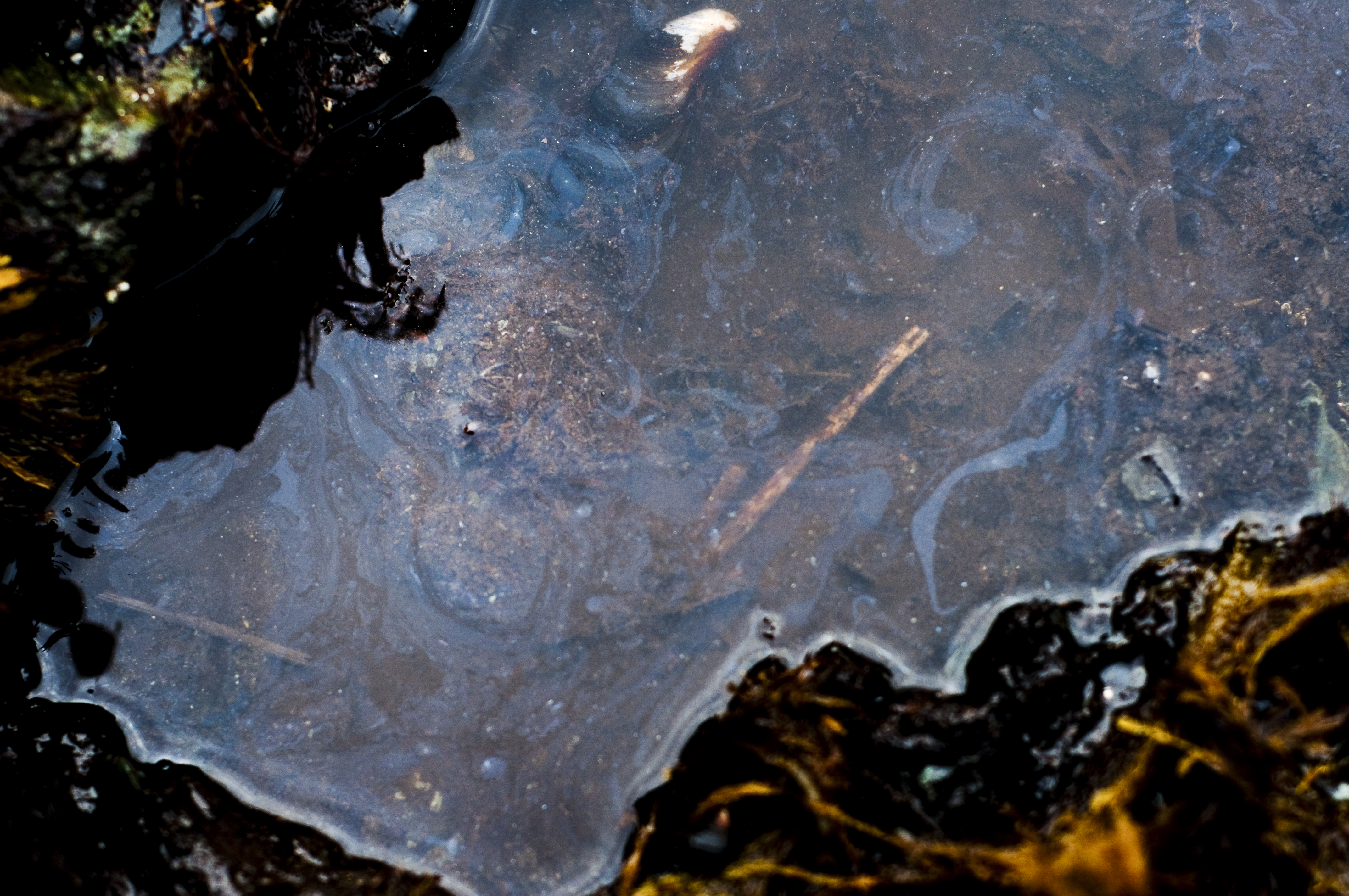
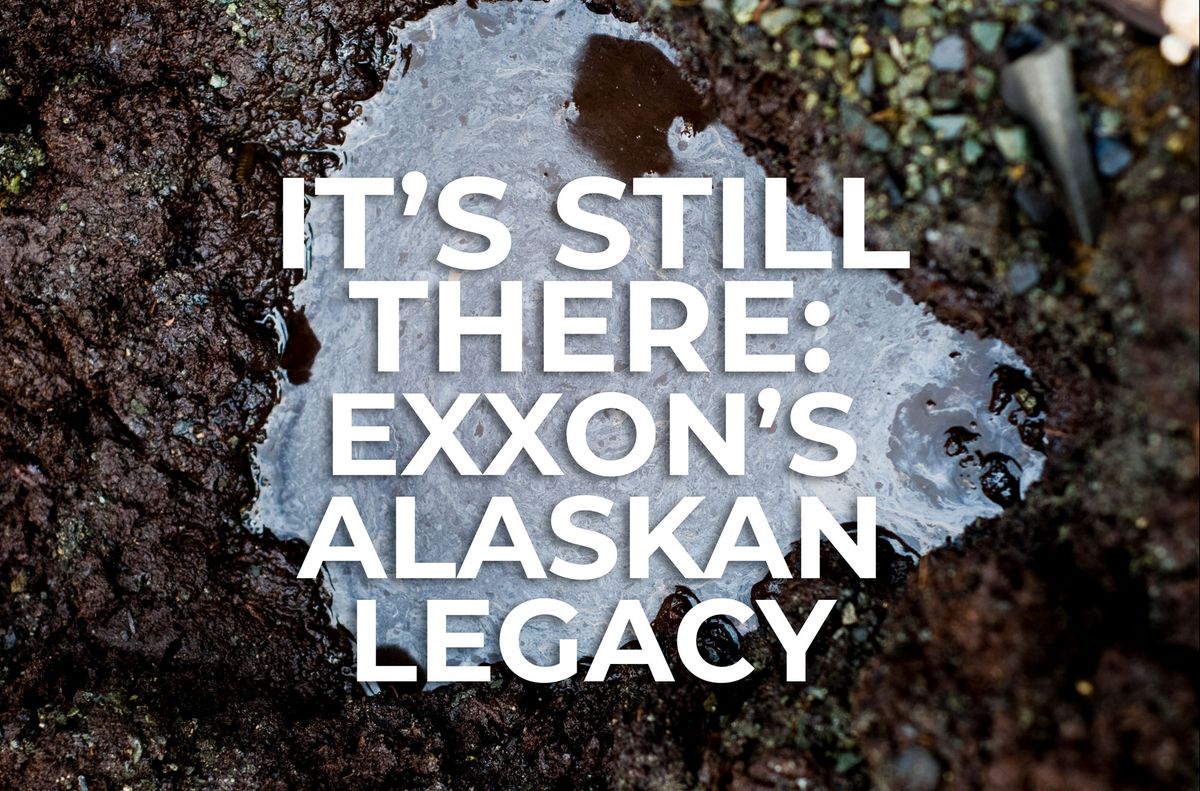
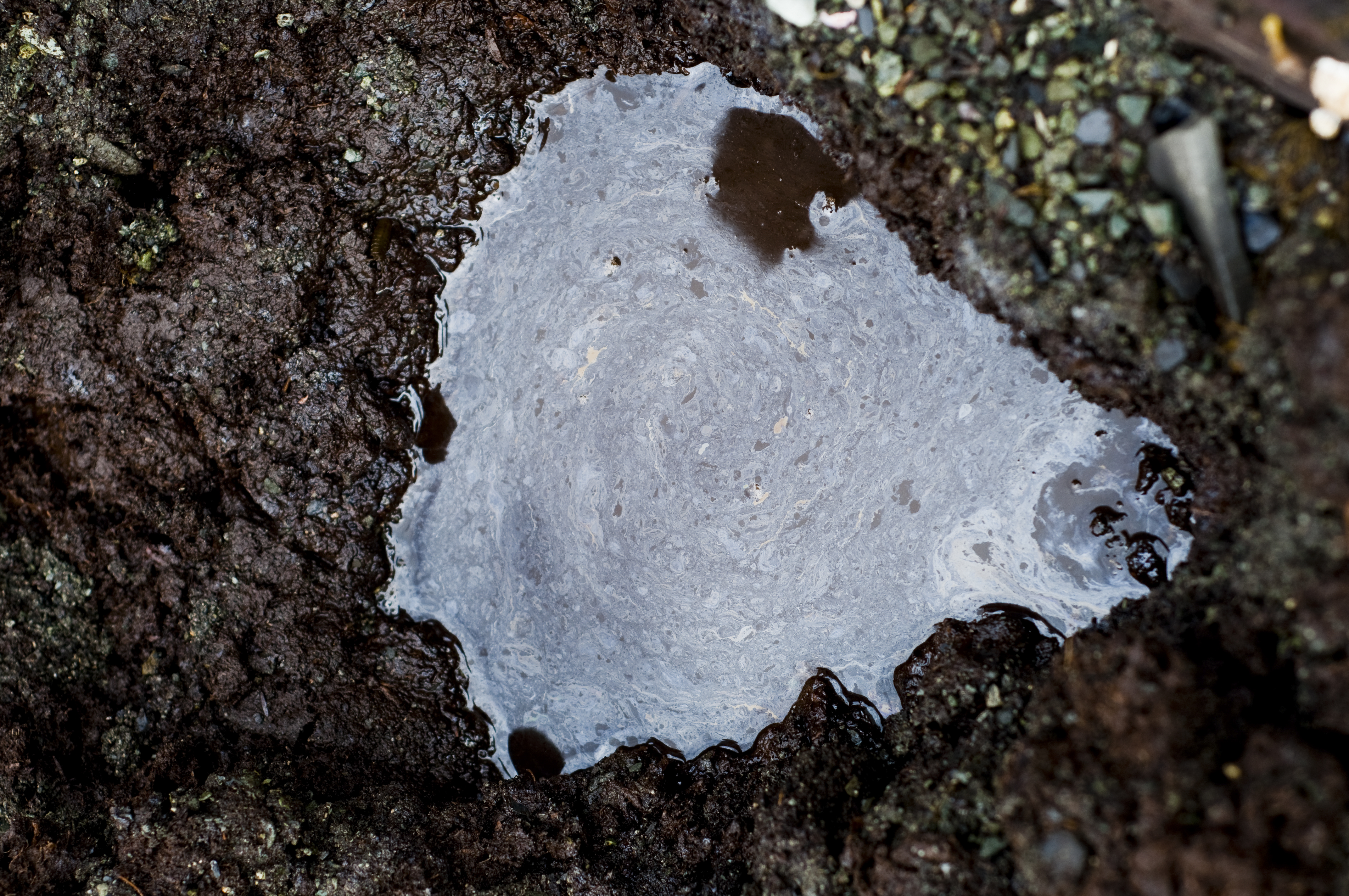
Exxon will tell you that the oil is cleaned up and they have no further responsibility for it or for the lives that it destroyed so they could save some money. In 2010 I visited Knight Island which is nicknamed “Diesel Beach” in Prince William Sound. when I took these images the oil was noticeable to the naked eye and you could smell it with every step… literally.
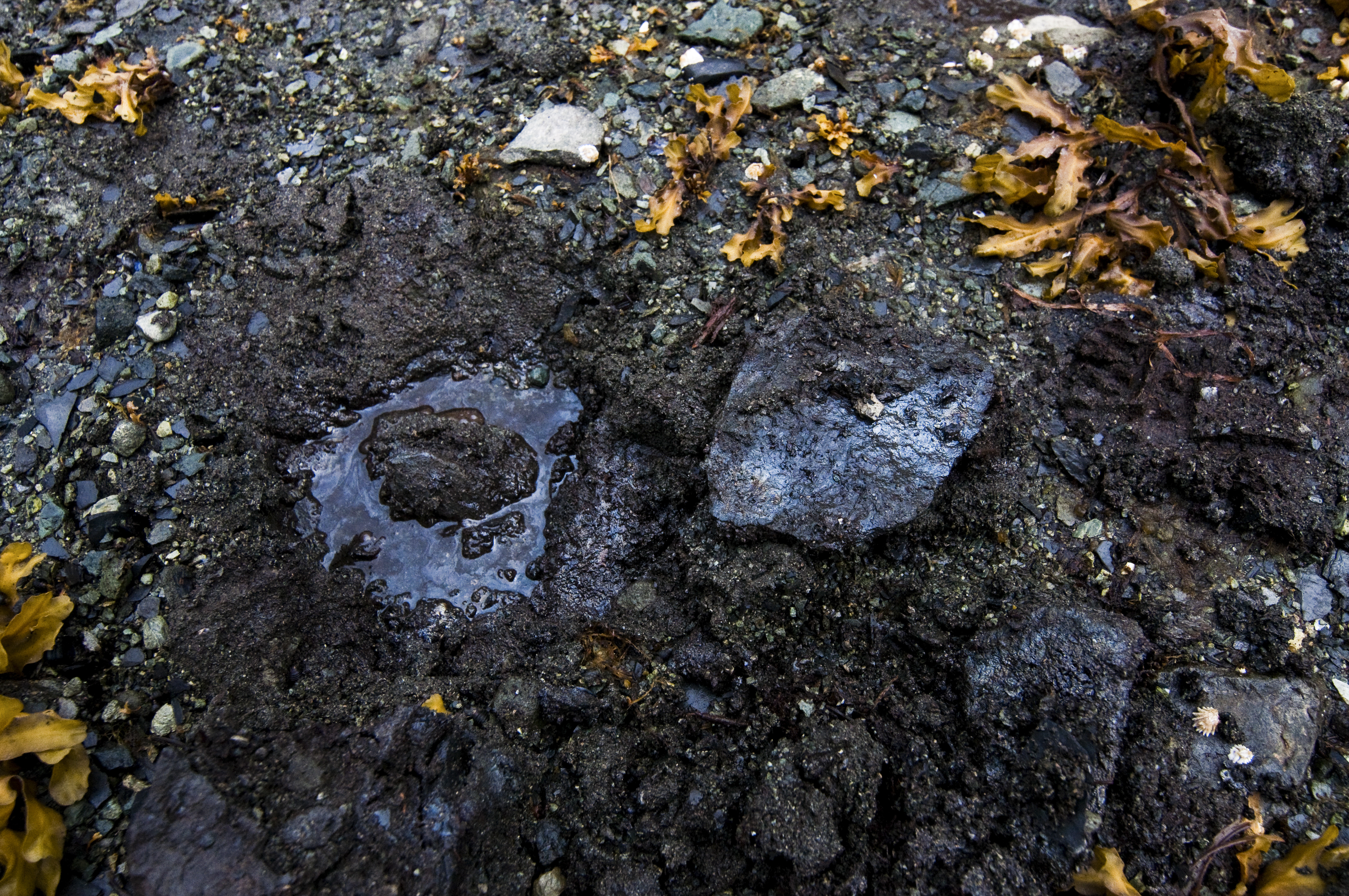
I went with Shannyn Moore who was reporting for BBC and Jeanne Devon for TheMudflats.net. Shannyn was a captain of a fishing boat in 1989 and helped with the cleanup, like nearly all boats in the area. Once they heard what had happened hundreds of boats swarmed to the area, they were called the Mosquito Fleet. I’ll get Shannyn to tell that story another day.
If you would like more reports and reminders of history like this please consider subscribing to this newsletter so that I can keep doing it. Thank you, - Zach